It’s Not Just Jocks &
Hollywood Hunks Who Can
Get Sexy Rock Hard Abs.
IN AS LITTLE AS SIX WEEKS,
YOU CAN BE RIPPED TOO!
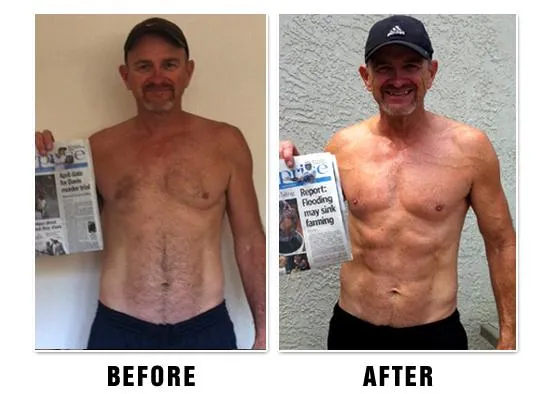
200,000+ Men Prove It's Possible! Will YOU Be Next?
AS SEEN ON:

It’s Not Just Jocks And Hollywood Hunks
Who Can Get Ripped, Rock Hard Abs.
IN AS LITTLE AS SIX WEEKS, YOU CAN TOO!
It’s Not Just Jocks And Hollywood Hunks Who Can Get Ripped,
Rock Hard Abs.
IN AS LITTLE AS SIX WEEKS,
YOU CAN TOO!
I know that sounds like an unbelievable statement...
Please hear me out...
Think back to your high school days…
If your high school was anything like mine, there was only ONE group of guys who had a six pack
THE JOCKS
And if you were anything like me in high school, you were definitely NOT one of the jocks, so the idea of having a six pack was only just a dream…
Until now.
We’re both way past high school at this point, but does the idea of having a six pack still intrigue you?
When you hear the way your wife or girlfriend talks about those Hollywood studs with washboard abs do you get a little twinge of jealousy?
Do you cringe a little when you look in the bathroom mirror and see a little (or a lotta) extra fluff?
Does the idea of taking your shirt off at the swimming pool this summer make you queasy?
Are you self conscious during sexy time with your partner…and is it getting in the way of your intimacy and connection?
I know, I know, we’re in an age when we’re supposed to be “body positive” and love our bodies just as they are…
As a man in these modern times, you aren’t supposed to want to look sexy...
You’re supposed to be content with a Dad Bod…
Here’s a radical idea…
Can’t we love our bodies AND do something to help us look and feel better?
I think that’s the true meaning of “body positivity” - loving your body so much that you take the time, energy and money to help your body look and feel its very best.

Do You Want To Try The First Week Of The 6 Week Six Pack Challenge Absolutely FREE?
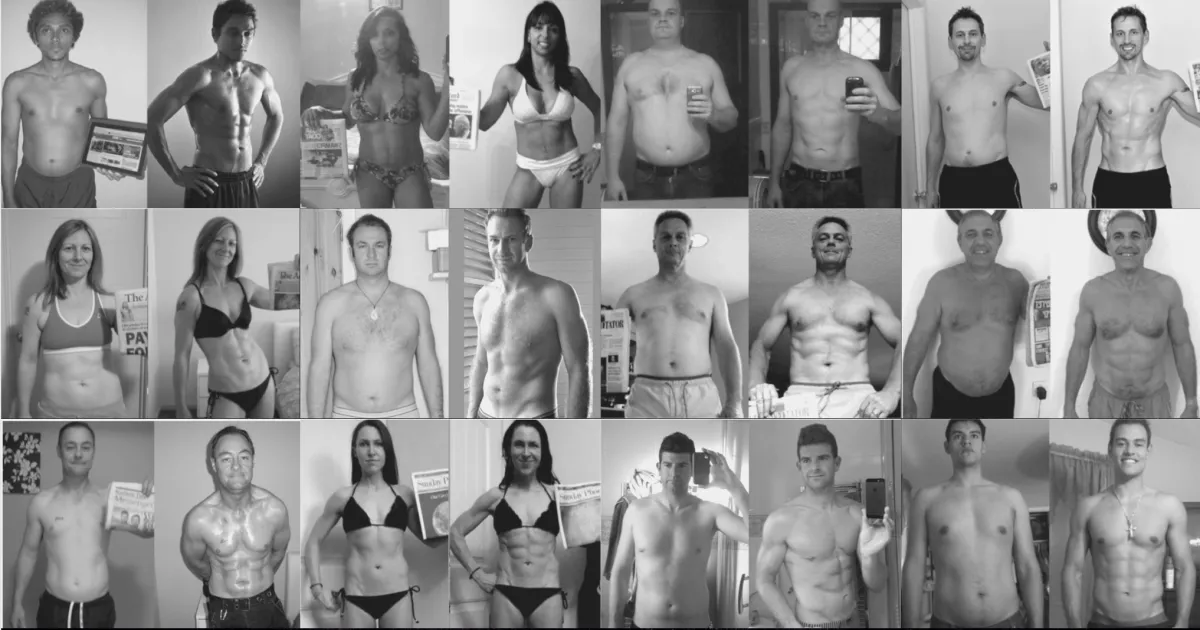
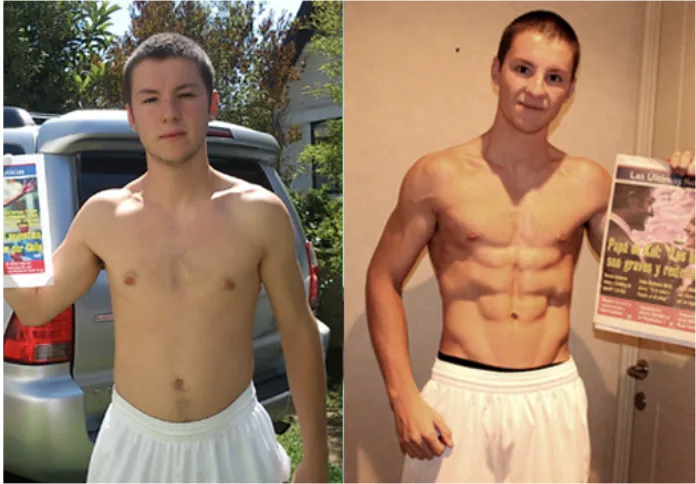
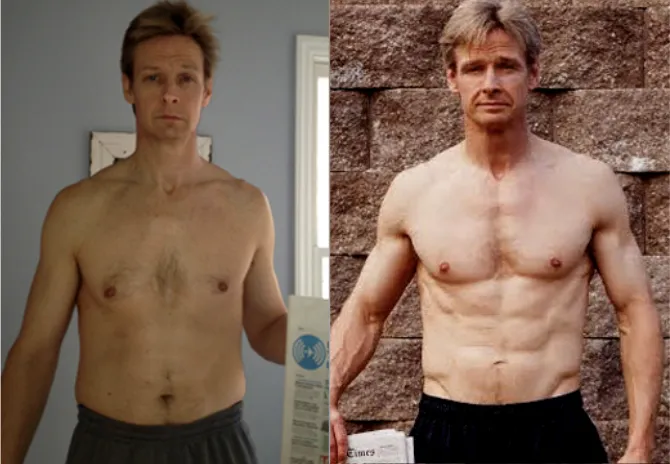
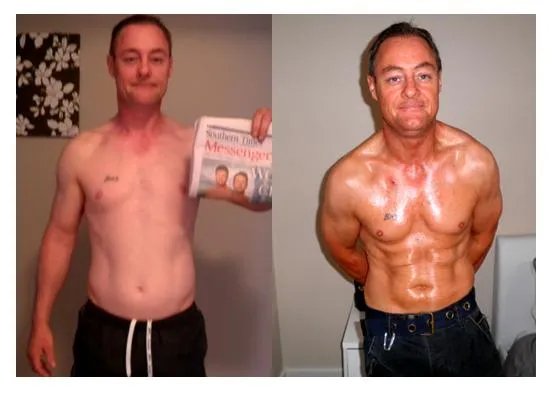
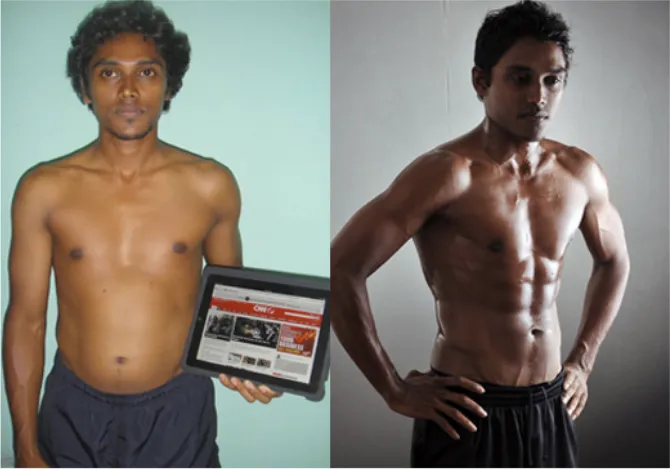
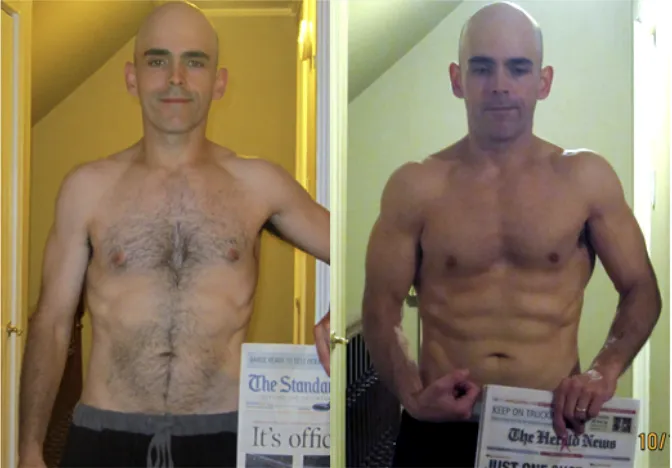
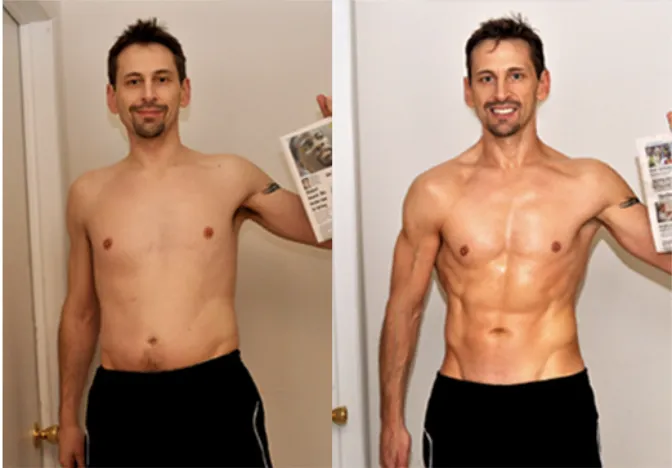
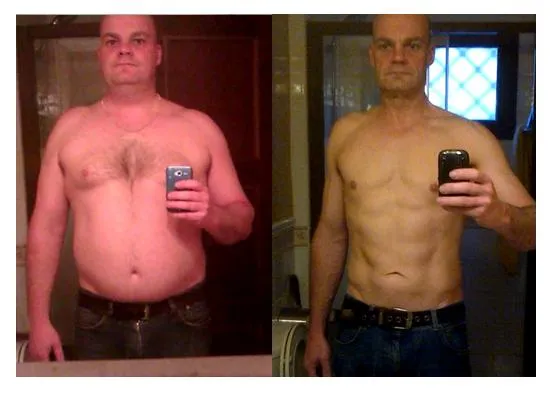
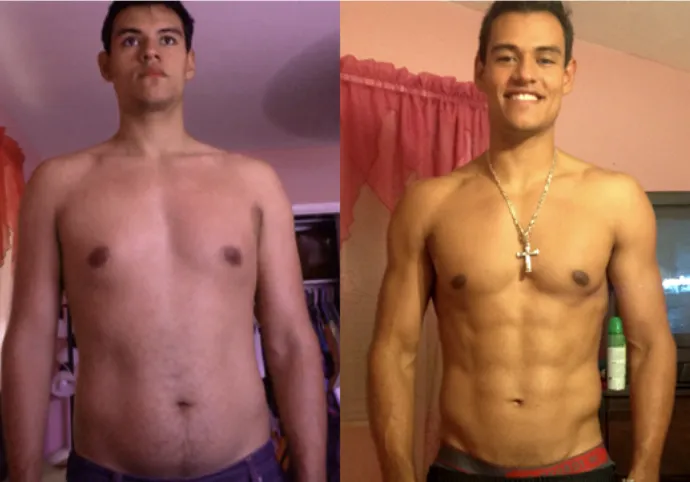
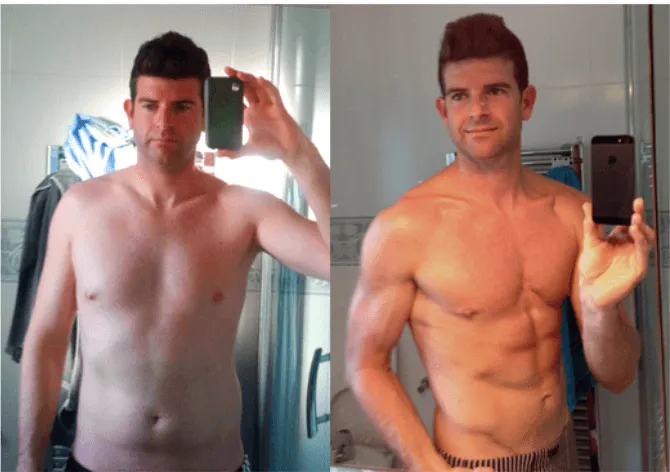
CHECK OUT THESE TRANSFORMATIONS!
"UGH, I WISH I HAD A SIX PACK..."
I’m going to let you in on a little secret…
Whenever I tell men that my company is Six Pack Factory and we help regular guys get ripped, rock hard abs, EVERY SINGLE ONE says the same thing…
“Ugh, I wish I had a six pack.”
Friend, you are definitely NOT alone in your desire to have a six pack.
In fact, by using our programs, over 200,000 men just like you have lost weight, built muscle and gotten six pack abs in as little as six weeks…
Those men didn’t want to settle for a Dad Bod, so why should you?
And no, most of those guys weren’t high school jocks either. They were regular dudes who had a desire to get ripped…and they did!
How did these men go from Dad Bod to OH MY GOD WHO’S THAT STUD?
They went through our world-famous 6 Week Six Pack Challenge.
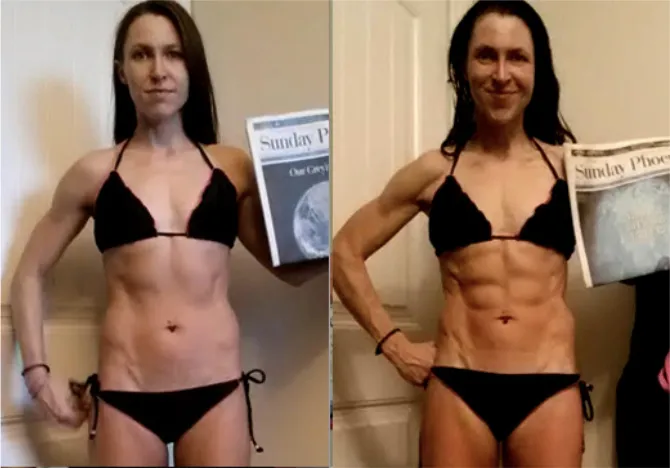
THESE RESULTS SPEAK FOR THEMSELVES:
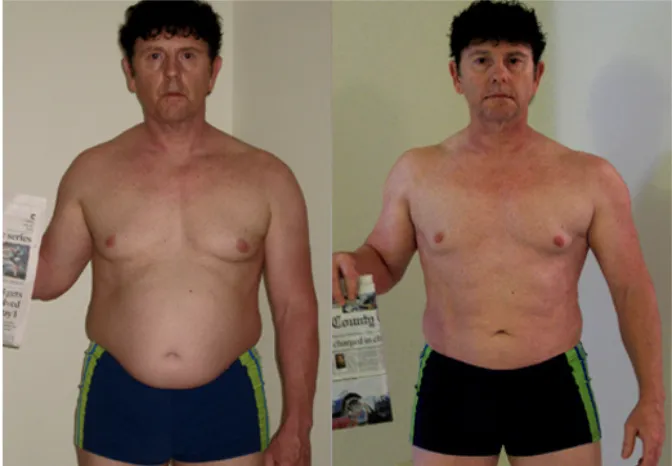
THE BEST PART?
All Of These Guys Got These Unbelievable Results WITHOUT:
Starving themselves
Eating bland, boring “health food”
Spending hours and hours in the gym every day
Googling workout plans for weeks
Watching countless hours of YouTube workout videos
Giving up dinners out with friends or family
I know you’ve heard it all before and you’re skeptical. I don’t blame you.
With all of the “get ripped quick” promises on social media, it’s hard to tell what works and what doesn’t.
In fact, you’ve probably already tried many systems, strategies, diets and workout plans trying to get that elusive six pack. And you’re feeling frustrated by your lack of results…
If you’ve tried and failed at Keto, Paleo, the Mediterranean diet or some other diet fad before, it’s not your fault.
If you’re stuck in a cycle of yo-yo dieting where you’ll lose weight and then quickly gain it all back, it’s not your fault.
If you’ve had some success with losing weight, but can’t seem to get washboard abs, it’s not your fault.
If you’re struggling to put on muscle no matter how much you lift, it’s not your fault.
If you’ve stuck with a workout plan for a week or so and then stopped because your life got in the way, it’s not your fault.
If you’ve tried and failed in the past, it’s not because you’re lazy, unmotivated or destined to be out of shape.
THE REAL REASON YOU HAVEN'T FOUND
SUCCESS YET IS SIMPLE...
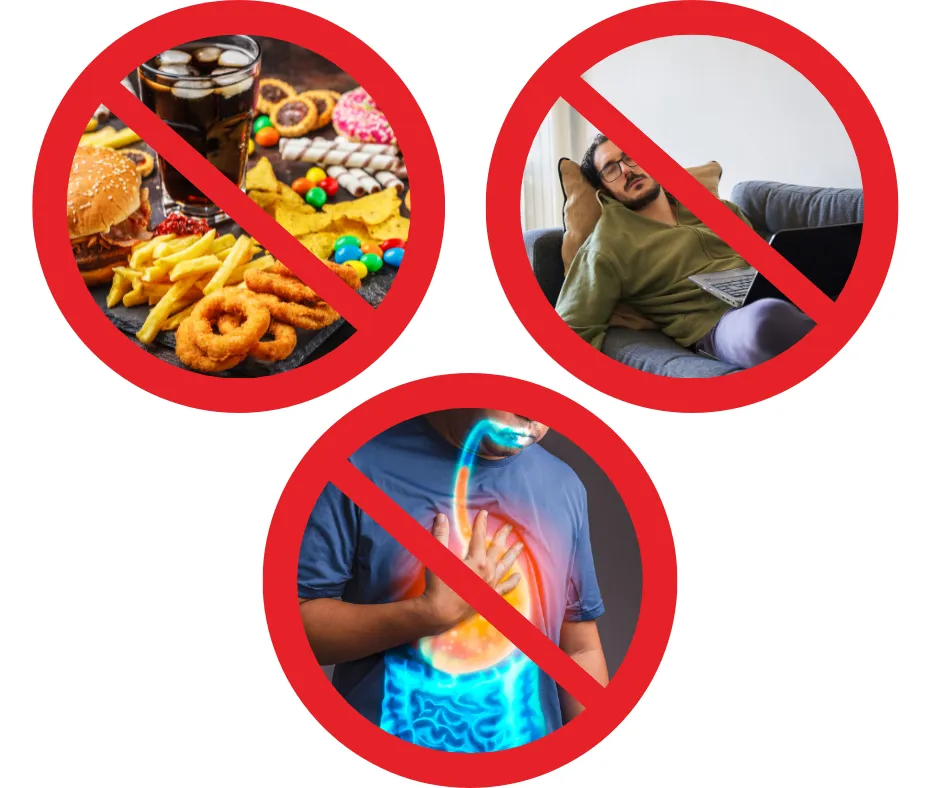
Modern Western lifestyles are designed to keep you in a cycle of dis-ease by promoting highly processed, nutrition poor foods and sedentary living. You are surrounded by choices that keep you overweight, unhealthy and lacking any movement.
Add to that a lack of access to high quality nutrition and exercise information so people don’t even know the basics of how to keep our bodies healthy and functioning at the highest levels possible, and you’ve got a recipe for a society that is incredibly unhealthy.
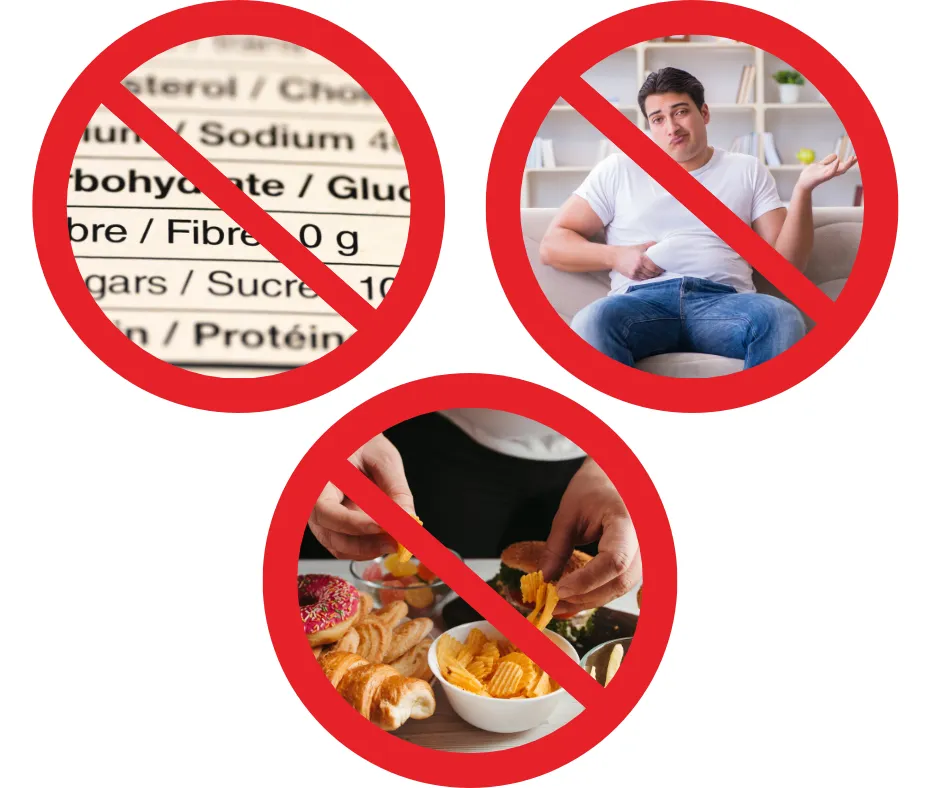
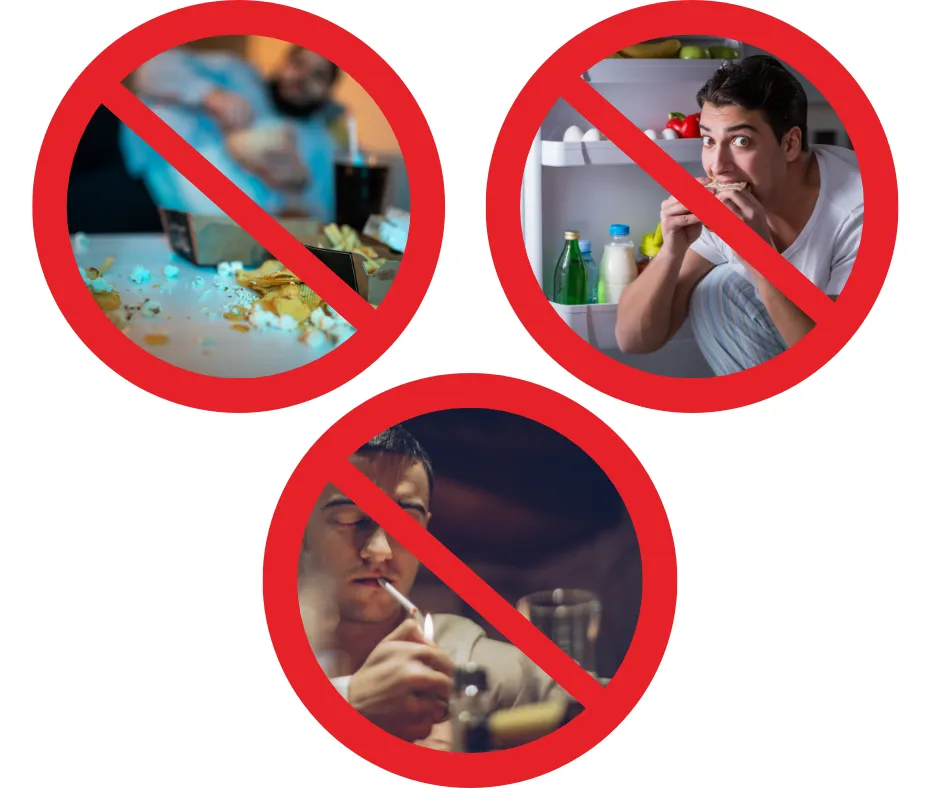
And I haven’t even scratched the surface on how body shaming and unattainable expectations that you’ve had to endure as a man keep your mind trapped in an endless loop of negative reinforcement of poor health habits.
THE REAL REASON YOU HAVEN'T FOUND
SUCCESS YET IS SIMPLE...
Modern Western lifestyles are designed to keep you in a cycle of dis-ease by promoting highly processed, nutrition poor foods and sedentary living. You are surrounded by choices that keep you overweight, unhealthy and lacking any movement.
Add to that a lack of access to high quality nutrition and exercise information so people don’t even know the basics of how to keep our bodies healthy and functioning at the highest levels possible, and you’ve got a recipe for a society that is incredibly unhealthy.
And I haven’t even scratched the surface on how body shaming and unattainable expectations that you’ve had to endure as a man keep your mind trapped in an endless loop of negative reinforcement of poor health habits.
IT IS NOT YOUR FAULT!
If you feel trapped in your current body despite trying hard to change, I need you to know that it is not your fault!
There is an intricate system of multi-billion dollar industries that work together to keep you stuck in an endless cycle of trying and failing to get a healthy body that looks and feels good to you.
Over the past decade, we’ve helped hundreds of thousands of men improve their health and wellbeing.
Behind every man who joined our challenge was a deep desire to feel better.
GETTING A SIX PACK ISN'T A SHALLOW DESIRE.
We’ve helped men get off of their diabetes medications, increase their energy and stamina, break free of heart medicine and more.
Even if you don’t want to get ripped, if you’re looking to improve your overall health, we’ve got you!
Our deepest desire is to help men, just like you:
Break free from yo-yo diets
Heal their shame spirals
Quit poor health habits
Prevent prediabetes, heart disease and any other lifestyle-based health challenges that have kept you from living your life at full speed
We don’t want to keep you dependent on us month after month. Eventually, we want you to feel empowered in your own body so you don’t need to keep searching for answers.
That’s why the 6 Week Six Pack Challenge focuses on both education AND day-by-day action steps.
We want you to understand the why behind the how so you can feel good about making the right decisions for your body.
THE NEXT QUESTION IS SIMPLE:
H0W CAN YOU FINALLY GET RIPPED, ROCK HARD ABS?
There are 5 key elements to getting ripped...
Unfortunately, all the weight loss gurus and Insta Influencers only ever talk about two of them - diet and exercise. If diet and exercise alone were enough to get you six pack abs, wouldn’t you already be as ripped as a fitness model?
Without the other 3 pieces of the puzzle, you’re left frustrated at your lack of results.
In addition to using the right diet and the most effective exercise plan, you also need to have:
The RIGHT MINDSET because how you think about yourself and your body matters if you want to get long-lasting results…
ACCOUNTABILITY so you stick to your program and give 100% effort instead of slacking off after a week…
Proper RECOVERY so your muscles, stress levels and hormones all work at optimum levels to get you results FAST without having to workout more…
As you’ve already figured out, without all 5 elements you’re doomed to fail.
That’s why the 6 Week Six Pack Challenge helps you build daily habits that include all 5 pieces of the six pack puzzle: exercise, nutrition, mindset, accountability and recovery.
The best part? As you move along in our program, we help you build a Habit Stack that incorporates all 5 key elements into your day-to-day lifestyle so you get massive results without having to completely change everything about your daily life all at once.
You’re motivated to get ripped. We’ll help you find the perfect daily ritual so you can finally see those abs that have been hiding behind a little extra fat all along.
OVER 80% OF PEOPLE WHO START THE 6 WEEK SIX PACK CHALLENGE FINISH IT!
We include a BONUS prep-week so you learn little by little how to shift into your new six pack lifestyle by:
Learning how to eat better...
Adding in daily exercise...
Changing your mindset...
learning how to eat better...
adding in daily exercise...
changing your mindset...
This system is so simple & effective that over 80% of people who join the 6 Week Six Pack Challenge finish it!
Compare that to the industry average of 12-18%.
You can see why over 200,000 people have used this program to help them lose weight, build muscle and get six pack abs!
And when you join the 6 Week Six Pack Challenge, you’re joining a crew of men who are as dedicated as you are to getting results. A big reason why people fail at sculpting the body of their dreams is because they lack a supportive network that cheers them on.
Here at Six Pack Factory, we want to see you succeed. That’s why we host a monthly virtual mixer with all of our Six Pack Fam so you can surround yourself with other dudes who understand what you’re working toward.
We host special guests,
Highlight the successes of challengers,
Have unique training sessions that help you get even better results.
It’s the type of event you’re going to look forward to every month!
WILL YOU BE OUR NEXT SUCCESS STORY?
Barry from Australia
"Investing in the 6 Week Six Pack Challenge was the best decision of my life! I feel and look better now than I did in my 20's!"
Debra from Canada
"The 6 Week Six Pack Challenge was the first product I ever bought that actually delivered on the promises it made!"
Ian from the United Kingdom
"I had to do the 6 Week Six Pack Challenge a few times over but after 6 months I lost over 80lbs and finally saw my abs!"
OVER 1.4 MILLION PEOPLE
HAVE THE SAME GOAL AS YOU!
1.4 MILLION PEOPLE HAVE THE SAME
GOAL AS YOU!
It’s OK to admit that you want to get ripped, rock hard abs.
Our massive online community of over 1.4 MILLION people have the same goal as you. No matter the reason why you want to get a six pack, we support you!
Here are just a few reasons we’ve heard why guys like you wanna get ripped:
Look better naked
Have more fulfilling sex
Feel more confident with your shirt off
Have the stamina to keep up with your demanding life…or your horny wife ;)
Live longer
Get revenge on all the kids that made fun of you in high school when you strut into your reunion looking like a fitness model
Look better than the guy in the office who keeps hitting on your partner
Post-breakup bod that makes your ex jealous and gets you more attention on dating apps
What’s YOUR reason for getting a six pack?
And it’s not just about getting six pack abs. As a man, your health and wellbeing matters!
You have a demanding life. You’re constantly thinking about how you can protect and provide for your family. Isn’t it time you put yourself first for once?
When it comes to overall wellness, the 6 Week Six Pack Challenge can help you:
Have better performance, stamina, confidence and desire in and out of the bedroom…
Enjoy more youthfulness and longevity…
Increase your energy…
Lower your stress levels…
The 6 Week Six Pack Challenge is self care for men!
Everywhere you look online, self care tips are generally geared toward women. And that isn’t fair. Men need self care too, but you probably don’t want it to be about face masks and hot baths.
You've been wanting to try a self care routine. The 6 Week Six Pack Challenge is what you've been searching for!
ARE YOU READY TO IGNITE SUPERHERO-YOU IN THE BOARDROOM AND BEDROOM?
Let’s get a little science-y for a minute…
This hormone imbalance can manifBullet Listest as:
Ongoing stress can trigger an imbalance in anabolic and catabolic hormones.
Exhaustion
Low drive
Lack of focus
Fatigue
Irritability
And more!
Exhaustion
Low drive
Lack of focus
Fatigue
Irritability
And more!
CHRONIC STRESS IS DIRECTLY CORRELATED TO OBESITY
Chronic stress is also one of the primary reasons why people struggle to lose weight. One of the things it can lead to is adrenal fatigue...
Your adrenal system produces over 50 different hormones that influence everything from your energy levels to your mental focus, your libido, and your reaction to stress. When you’re stressed, your adrenal glands release the “fight-or-flight” hormones cortisol and adrenaline.
In our modern society, chronic stress has become a common problem. Our stressors aren't typically life or death like our ancestors encountered, but they are much more constant and prolonged...
Chronic stress can keep your body in fight or flight longer than it was ever intended to be. And while you aren’t actually running from a saber toothed tiger or an irritated caveman, sometimes it sure feels like it!
Constant stress can cause adrenaline overload and result in the body using primarily glucose as a fuel source instead of body fat. Another implication is that the body can begin to make another stress hormone called cortisol which breaks muscles down. Having less muscle subsequently slows down metabolism.
Various studies, such as one conducted at Yale University in November 2000, have found that people with high cortisol levels tend to put weight on around their mid-section.
Here are a few hidden benefits of the 6 Week Six Pack Challenge:
PROMOTE LOWER STRESS LEVELS
IMPROVE HORMONE BALANCE
SUPPORT YOUR CENTRAL NERVOUS SYSTEM
COMBAT ADRENAL FATIGUE
BOOST MIND-BODY CONNECTION
IS IT FINALLY TIME TO START MAKING
DIFFERENT LIFESTYLE CHOICES?
I’m not going to beat around the bush on this next point…
You’re not going to get any younger or healthier unless you put in some effort and make different lifestyle choices. Dreaming about being fit and healthy won’t change the way your body looks or feels.
You’re gonna have to work for it.
If you’ve recently been told by a doctor (or if you’ve been self diagnosed by a random TikTok video) that you’re struggling with high cholesterol, pre-diabetes, high blood pressure or some other lifestyle-based health problem…
You have got to start taking better care of yourself before it’s too late.

YOUR KIDS NEED YOU

YOUR FRIENDS NEED YOU

YOUR PARTNER NEEDS YOU
THE WORLD NEEDS YOU
They need you to man up, get your shit together and start making better choices about what you eat and how you move your body.
They need you to man up, get your shit together and start making better choices about what you eat and how you move your body.
HERE'S YOUR WAKE UP CALL
61% of all deaths worldwide are from lifestyle diseases like:
Heart Disease
Obesity
Stroke
Colon Cancer
Diabetes
Hypertension
Heart Disease
Obesity
Stroke
Colon Cancer
Diabetes
Hypertension
Let’s talk numbers for a second…
We'll Start With Diabetes:
41% of men in the U.S. have pre-diabetes
Up to 70% of those men will get diabetes over the course of their life.
Over 100,000 people died from diabetes in the U.S. in 2020
And don't forget, Diabetes is EXPENSIVE to control...
In men diagnosed with type 2 diabetes at ages 45-54, the lifetime direct medical cost of treating type 2 diabetes and diabetic complications was $106,200.
Depending on where you live, that’s the cost of a house!
What about Heart Disease?
Heart disease is the leading cause of hospitalization and death in the U.S
Nearly 700,000 people died of heart disease in 2020 in the U.S.
Also known as cardiovascular disease, it is one of the most expensive conditions to treat.
Out-of-pocket expenses for a heart condition often exceeds $2,000 a year.
Do you have an extra $2,000 a year to spend on medical problems?
And that’s not even factoring in all the time spent going to and from doctor’s appointments, filling prescriptions, spending time on hold with your insurance company, etc.
Oh, and we can’t forget the opportunity cost of what you won’t be able to do because of diabetes, heart disease, stroke, obesity and a general sense of feeling unhealthy.
If climbing a few flights of stairs is hard now, how hard will it be in 5 years if you keep going down the path you’re on?
HERE'S THE GOOD NEWS!
We got kind of dark there for a second, but…
Here’s the good news! Studies have shown that making just 4 simple lifestyle changes reduces your chance of getting one of these lifestyle diseases by 80%.
What are those 4 simple lifestyle changes?
Maintaining a healthy weight
Exercising regularly
Following a healthy diet
Quitting smoking
Maintaining a healthy weight
Exercising regularly
Following a healthy diet
Quitting smoking
Inside the 6 Week Six Pack Challenge, we'll walk you step-by-step through how to make 3 of those changes in the next 6 weeks...
And it won't cost you anywhere near $2,000 a year to join this potentially life-saving fitness program!
Dude, You Have A Choice:
Do you want to die a premature death from a preventable disease?
OR
Do you want to live a long, healthy life so you can watch your kids grow up?
Do you want to waste over $100,000 on medicine, healthcare and doctors over the course of your life?
OR
Do you want to invest $97 now to help you change your life for the better in as little as 6 weeks?
The choice seems pretty easy to me.
GETTING SIX PACK ABS WILL DEFINITELY MAKE YOU:
MORE CONFIDENT
SEXIER
BETTER IN BED
MORE CONFIDENT
SEXIER
BETTER IN BED
It’s also gonna help you live a longer, more fulfilling life. And that second part is why Six Pack Factory exists…
To help you get more out of life by showing you how to make small lifestyle changes that have a massive impact on your overall health and wellbeing.
And it’s also why we are inviting you to join us in the 6 Week Six Pack Challenge today!
You deserve to look good and feel even better...
HERE'S WHAT YOU GET IN THE
6 WEEK SIX PACK CHALLENGE
Let’s talk details…
What exactly do you get when you join the 6 Week Six Pack Challenge today?
We want to make getting a six pack foolproof. We’ve included everything you need to be successful during your time in the challenge.
You won’t be overwhelmed either. You get day-by-day guidance on how to IMPLEMENT all of these tools into your daily routine.
No information overload or analysis paralysis here. Your virtual trainer will help guide you step-by-step through the program…

EXERCISE
✓ FITNESS PLAN - You’ll have your daily workout available at the click of a button. No searching YouTube for workout videos. You have your very own follow-along workout plan that increases in difficulty as you move through the challenge.
✓ Ease into your new exercise habits with day-by-day guidance that includes exercise recommendations, HIIT workouts and what days to rest.
✓ Fitness Test that you can use at the beginning of your program to see where you stand with your fitness level. Use the test throughout the program to track progress and stay excited about hitting new achievements.

NUTRITION
✓ MEAL PLAN - You’ll know exactly what types of meals to eat during the day based on that day’s workout. Choose your meal from the cookbook and enjoy! This maximizes your weight loss without adding more workout time.
✓ Healthy Eating Checklist so you can finally know once and for all what’s “healthy.”
✓ Build Your Own Diet Guide to help you understand your personal Macro Stack, meal portions, meal timing and more. All of those questions you’ve been Googling, we’ve got the answers!
✓ Put it all together with 100 healthy recipes from our 6 Week Six Pack Cookbook. Each recipe includes Macro breakdowns so you can choose the perfect meal plan filled with delicious food. We have gluten free, vegetarian, vegan and dairy free options to fit your family’s food preferences.

MINDSET
✓ DAILY ACTION PLAN - this is your mindset coaching for the day to keep you motivated during your fitness journey. You'll know exactly what to do each day with an easy to follow checklist!
✓ Through recorded videos, your virtual trainer gives you daily coaching to help you clear your mental blocks, create motivating goals and stay motivated on your fitness journey.
✓ GAP Workbook to walk you through creating your very own goals for the 6 Week Six Pack Challenge and a plan to hit those goals with ease.

ACCOUNTABILITY
✓ MONTHLY MIXER - During this live monthly Zoom call, you can connect with other Challengers to hear their successes, get your questions answered, join special trainings to help you increase your fitness level, and more! Moderated by co-owners and fitness enthusiasts, Nadia Black and Hannah Mongiat, you'll be able to connect directly with us!
✓ Workout Tracker so you can chart your progress and stay accountable to your goals as you move through the program.

RECOVERY
✓ RECOVERY DAYS - We’ve built in recovery days so you know when to workout and when to rest to get the most out of your workouts and allow your body to recover.
✓ Throughout the week, you’ll have opportunities to recover and catch up if you’ve fallen behind. We’ve built in recovery days so you won’t feel overwhelmed.
We include all 5 elements of getting a six pack in the challenge so you’re set up for success from the very first day!
I'm In! How Much Does It Cost To Get Started?
We don’t want price to be a barrier to you getting healthy, so we’ve made this comprehensive program as affordable as possible.
There’s no monthly membership, just one low price that gives you access to everything listed above…
You get everything you need to get ripped in as little as 6 weeks for just $97.
We’ve done the hard work of pulling together a world-class fitness program that has helped over 200,000 people lose weight, build muscle and get six pack abs.
All you need to do is click the button below and follow our day-by-day program to get incredible results...
Join the 6 Week Six Pack Challenge now to start your transformation today! Imagine how fit, sexy and confident you'll be in just 6 weeks...
AS ALWAYS, YOUR PURCHASE IS BACKED BY OUR 30 DAY UNCONDITIONAL MONEY BACK GUARANTEE
We’re so confident you’ll love the 6 Week Six Pack Challenge that we’re offering a No Questions Asked money back guarantee.
If you’re not happy with your purchase for any reason, simply email info@sixpackfactory.com within 14 days of your purchase and we’ll refund your entire purchase.
NO MORE GUESSING HOW TO GET RIPPED.
WE'VE GOT YOU!
We did all the hard work of creating a science-backed, step-by-step program so you don’t have to waste anymore time Googling fitness tips or watching bad TikTok videos with worthless advice.
All you need to do is join the 6 Week Six Pack Challenge, login to your members-only portal, watch the videos and follow along with Peter as he guides you through your workout and meal plans.
You get a daily action plan that includes your workout and what type of meals to eat that day. Plus, a recipe book that includes over 100 delicious meals that you can choose from.
Peter is also a culinary genius who specialized in fitness nutrition. Your meals are gonna be tasty AF. No bland, boring health food that tastes like cardboard. You’re going to be eating so good on this meal plan that all your friends will be jealous!
No more guessing how to get ripped. We’ve got you.
When you join the 6 Week Six Pack Challenge now, you’re going to know what days to rest so you can get proper recovery, what days to crank that cardio, and when to work your abs, legs or upper body.
Oh, and did we mention that you can do your workouts at home in less than 30 minutes a day?
No gym membership is required to get massive results, which means…
No expensive monthly membership that goes unused month after month.
No long drives to the gym and back.
No awkward moments at the gym staring at a room full of equipment you have no idea how to use.
No fumbling on your phone while sitting on the bench press machine trying to figure out your routine for the day while some jacked dude stares you down.
Oh, you don’t think you have 30 minutes to workout? Let me ask you this…
How much time have you spent doomscrolling on the internet today?
If you’re like the average person, you’ve spent (or will spend) nearly 2 and a half hours on social media today. Don’t tell me you don’t have time to workout.
Trade just 30 minutes of that scroll time for workout time, and BAM! Before you know it, you’re gonna be as ripped as your wife’s favorite Hollywood hunk. Watch out Zac Effron, there’s a new stud in town…
Summer is just around the corner. If you start now, you’re gonna be a beach bod hottie by the time the temperatures become unbearable. After going through the 6 Week Six Pack Challenge, you’ll be ready to rip your shirt off with confidence instead of sweating your face off in a hot shirt that hides your Dad Bod.
CAN I REALLY GET A SIX PACK IN AS LITTLE AS 6 WEEKS?
If you have less than 20 pounds to drop, yes you can have a six pack in as little as 6 weeks. Follow the program, give it 100% effort and in a few short weeks you can be ripped. Tens of thousands of men have done it following the exact program you’re looking to join. I know you can do it too!
If you’ve got more than 20 pounds, you might need to do the challenge 2 or 3 or maybe a few more times before you see those coveted abs, but you can do it!
Even if you can’t workout right now, you can join the program and get massive results. Why? Because 80% of weight loss starts in the kitchen. Follow just the nutrition portion of this program, and you will see a drop in pounds. When you’re able to start exercising again, you’ll amplify your results even more.
IT'S DECISION TIME
You’re at a crossroads...
You’ve landed on this page because you have a life-changing choice to make.
Are you tired of:
Feeling lethargic and lazy?
Not being able to fuck like you want?
Getting winded while trying to keep up with your kids or grandkids?
Feeling embarrassed with your shirt off at the pool?
Only getting naked in the dark because you’re ashamed of your body with your clothes off?
Feeling confused and overwhelmed with no clear path forward?
All it takes is one decision to change your life today.
Click the button below to start your 6 Week Six Pack Challenge now!
MEET YOUR VIRTUAL TRAINER
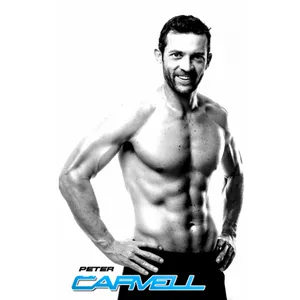
Your virtual trainer, Peter Carvell, is a world-renowned fitness instructor who’s been changing lives since the early 2000’s. He cracked the code on how to get ripped when he lost over 100 pounds in just 6 months...and he’s kept it off ever since. He went from severely overweight to a being featured in fitness magazines in a matter of a few short years.
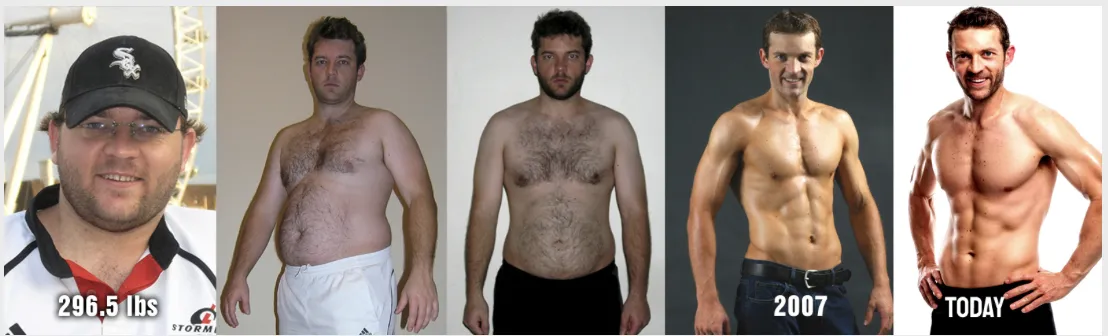

Are you looking for help getting toned abs? Well, you have come to the right place. We at Six Pack Factory have been in the fitness business since 2006 and have helped over 300,000 people reach their fitness goals through our online programs.
We've been pioneers in the online fitness world since posting our first YouTube health journey video in September of 2006 - nearly 17 years ago! Since then, we've reached over 1.4 MILLION subscribers on YouTube with over 233,400,000 views.
Founded by Peter Carvell and currently co-owned by Nadia Black, a certified health coach, and Hannah Mongiat, a certified yoga instructor, we are dedicated to continuing the mission of helping millions more people achieve peak physical fitness no matter their age or current fitness level.
We will continue to bring you the very best online fitness programs created by top health and wellness professionals around the world!
AS SEEN ON:
FREQUENTLY ASKED QUESTIONS
If you’re still reading, but haven’t joined yet, you are probably interested in the program, but have some questions. Let’s get you answers so you can join with confidence!
We use mostly bodyweight only exercises that you can do at home with minimal equipment. These are traditional moves like squats, pushups, and high knees. Many of the workouts are based on Variable Intensity Interval Training so you get more out of your workouts in less time.
A set of dumbbells will help you get the most out of your workouts, but it isn’t required in the first week so you can start now and find a pair of dumbbells later. You could even sub in 2 gallon jugs filled with water instead of using dumbbells.
With a completion rate of 80%, we’ve designed this program to help people finish it with success. The truth is, if you stick to the program you’ll see results. We’ve had all sorts of people go through the program and come out ripped. Being honest, your situation is probably not that special…if we can help over 200,000 people then we can help you too!
We stand behind our programs 100%! With a 14-day money back guarantee you can try out the program and make sure it’s right for you. If for any reason you’re not satisfied, send us an email and we will refund your purchase.
Absolutely! This is a workout from the first week of the challenge: https://youtu.be/GFfc8LY24uE
If you have any other questions, you can reach us at info@sixpackfactory.com and we’d be happy to get your question answered.
© 2023 Sixpackfactory. All Rights Reserved.
You should consult your physician or other health care professional before starting this or any other fitness program to determine if it is right for your needs. This is particularly true if you (or your family) have a history of high blood pressure or heart disease, or if you have ever experienced chest pain when exercising or have experienced chest pain in the past month when not engaged in physical activity, smoke, have high cholesterol, are obese, or have a bone or joint problem that could be made worse by a change in physical activity. Do not start this fitness program if your physician or health care provider advises against it. If you experience faintness, dizziness, pain or shortness of breath at any time while exercising you should stop immediately.
This site offers health, fitness and nutritional information and is designed for educational purposes only. You should not rely on this information as a substitute for, nor does it replace, professional medical advice, diagnosis, or treatment. If you have any concerns or questions about your health, you should always consult with a physician or other health-care professional. Do not disregard, avoid or delay obtaining medical or health related advice from your health-care professional because of something you may have read on this site. The use of any information provided on this site is solely at your own risk.
Developments in medical research may impact the health, fitness and nutritional advice that appears here. No assurance can be given that the advice contained in this site will always include the most recent findings or developments with respect to the particular material.
If you are in the United States and think you are having a medical or health emergency, call your health care professional, or 911, immediately.
All Rights Reserved | Privacy Policy | Terms and Conditions